
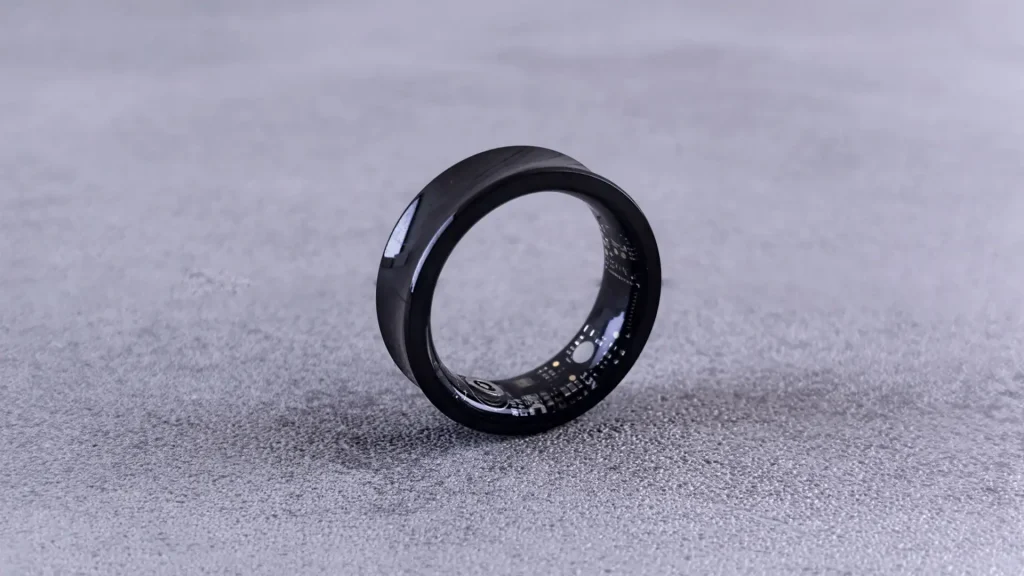
No screen. No notifications. Just continuous, invisible health data on your finger. Smart rings have quietly become the most compelling wearable tech for men who refuse to wear a smartwatch.
There is a certain kind of man who would never wear a smartwatch. Not because he’s averse to technology — far from it — but because a bulky screen on his wrist clashes with the Patek Philippe he’s been building up to, or simply because he doesn’t want every dinner companion watching his wrist light up mid-conversation. For that man, smart rings exist. And in 2026, they’ve become genuinely worth considering.
The technology has matured. The designs have refined. The data they collect rivals what a smartwatch can offer, delivered through something that looks, to all intents and purposes, like a piece of mens jewellery.
So, how do smart rings work? Who makes them best? Which ring is right for your lifestyle? And should you invest in one?
A smart ring doesn’t announce itself. It just works — quietly collecting data while you wear it to the boardroom, the gym, and bed without ever changing.
What do smart rings actually track?
The technology inside a smart ring is impressively dense for its size. Most quality rings use a combination of photoplethysmography (PPG) sensors, infrared LEDs, and temperature sensors to monitor your body around the clock. The result is a continuous stream of biometric data that gets processed by an app on your phone.
In practical terms, here’s what a good health tracking ring monitors:
- Heart rate & HRV — resting heart rate and heart rate variability, an indicator of recovery and stress
- Sleep quality — time in light, deep, and REM sleep, plus a sleep score
- Body temperature — nightly skin temperature variations that can flag illness before you feel it
- Blood oxygen (SpO2) — useful for altitude awareness and overall respiratory health
- Activity & steps — daily movement, calorie burn, and automatic workout detection
- Readiness & recovery scores — a composite daily score telling you how hard to push
What they don’t do: display notifications, show the time, or replace your phone. They are passive health companions, not wrist computers. That distinction is precisely what makes them appealing to a certain kind of man.
Smart rings vs smart watches: Which is right for you?
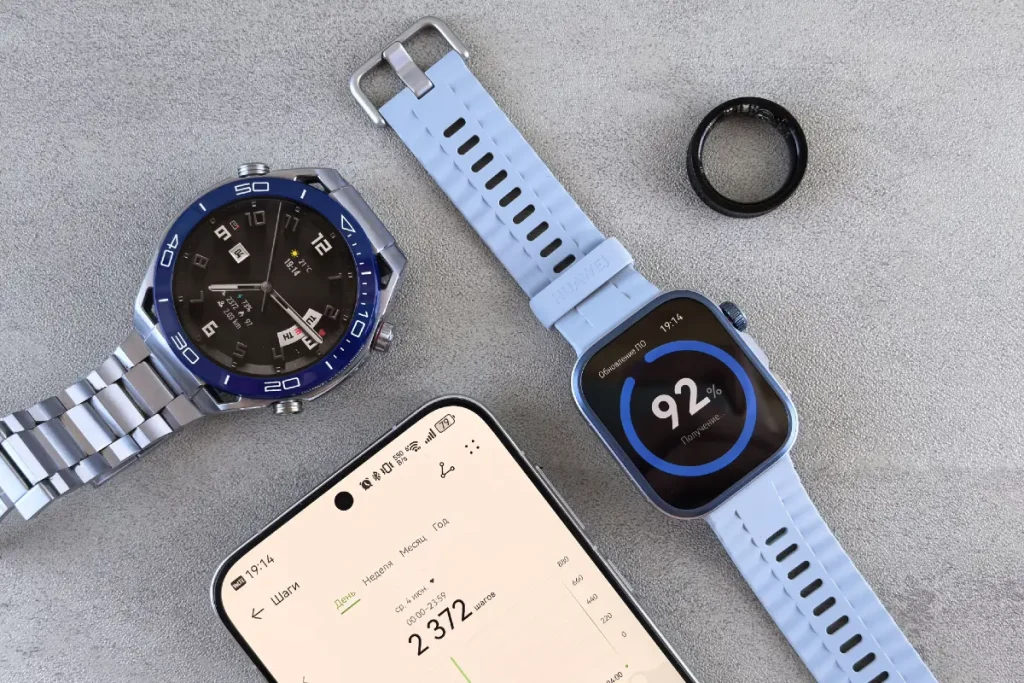
The comparison is less about technology and more about intent. A smartwatch is designed to be a second screen — pulling you toward your devices. A smart ring is designed to deceive; collect data without drawing attention.
For men who prioritise deep sleep tracking, recovery monitoring, and biometric insight without the constant distraction of a screen, a wearable ring makes a compelling case. For those who want to reply to messages from their wrist or track a GPS run without carrying a phone, a smartwatch remains the better tool.
Why not own both? Keep a minimalist watch for daily wear and a smart ring overnight, where it genuinely excels. Worn during sleep, it captures data a watch physically can’t match for comfort.
Best smart ring comparison at a glance
| Ring | RRP | Battery | Subscription | Platform | Best Feature |
|---|---|---|---|---|---|
| Oura Ring 4 | £349 | 8 days | £6/month | iOS & Android | Sleep & illness detection |
| Samsung Galaxy Ring | £399 | 7 days | None | Android | Galaxy AI integration |
| Ultrahuman Ring AIR | £329 | 6 days | None | iOS & Android | Comfort & metabolic data |
The best smart rings for men in 2026
The market has consolidated around a handful of serious players. Here are the rings worth your attention.
Oura Ring 4
EDITOR’S PICK · BEST FOR SLEEP & RECOVERY
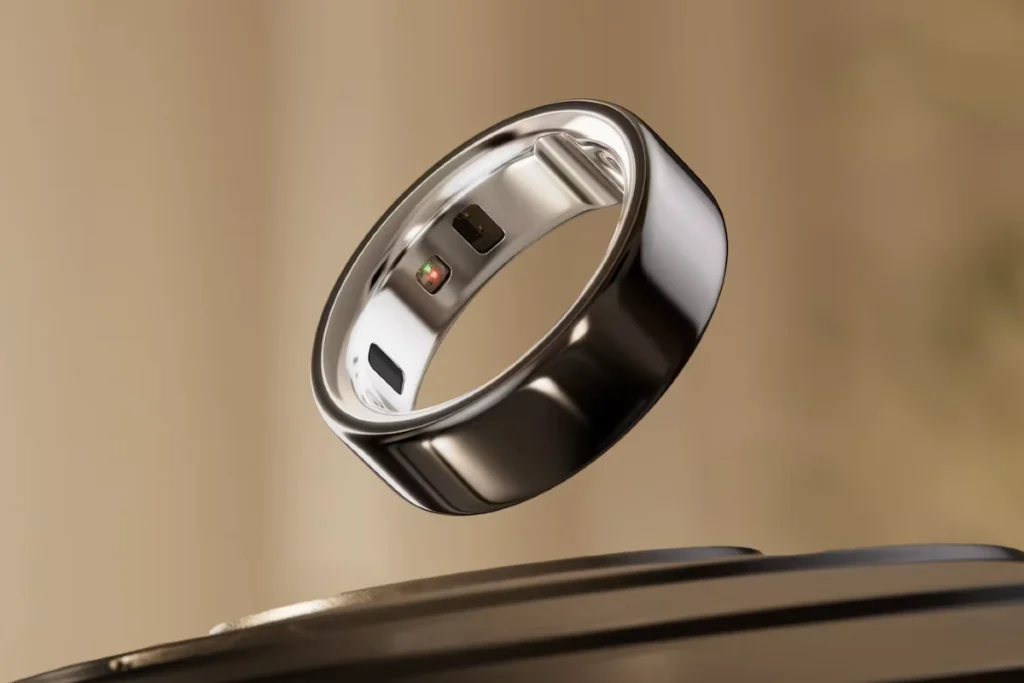
The gold standard for biometric depth
Price: £349 + £6/month subscription
Key specs: Titanium · 8 days battery · Sleep & HRV tracking
Oura is the brand that made smart rings credible. The fourth generation refines an already excellent formula: a slim titanium band in six finishes, up to eight days of battery life, and the deepest sleep analytics available in any consumer wearable. It tracks 20 biometric signals into a simple daily Readiness Score.
The temperature sensor is particularly impressive; it can flag early signs of illness before you feel symptomatic. The companion app is best in class: clean, actionable, and genuinely insightful rather than overwhelming you with raw data. The caveat is a monthly membership fee (around £6/month) to access the full feature set — an ongoing cost that adds up over time.
Best for: Men serious about sleep quality, recovery optimisation, and long-term health tracking. The subscription is worth it if you’ll actually engage with the data.
Samsung Galaxy Ring
BEST ALL-ROUNDER · NO SUBSCRIPTION
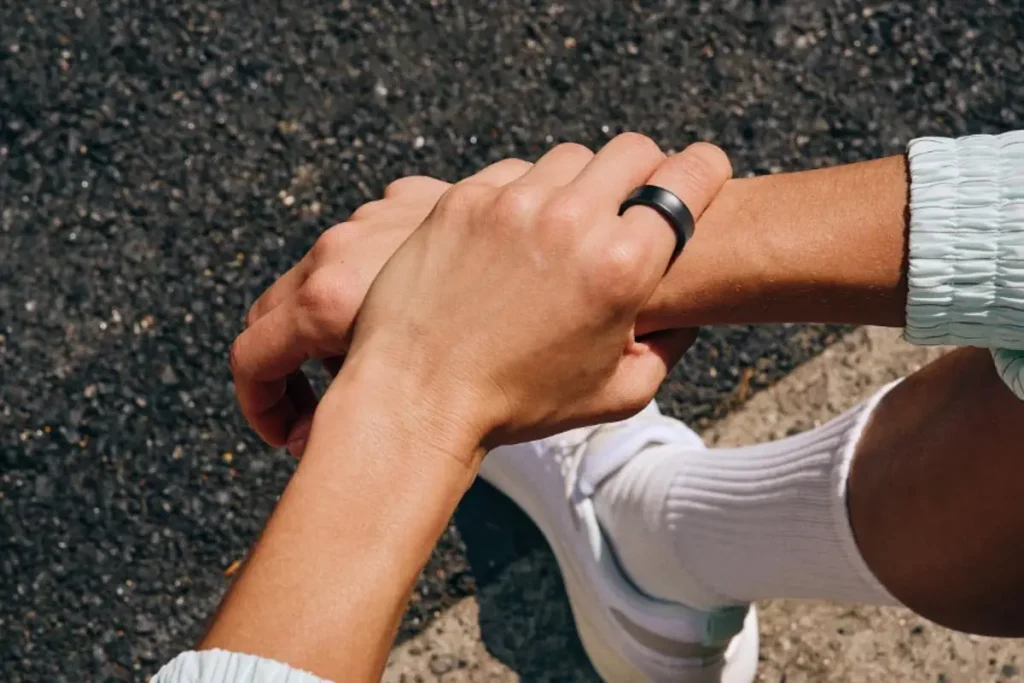
The most accessible smart ring on the market
Price: £399 (no subscription)
Key specs: Titanium · 7 days battery · Galaxy AI integration
Samsung entered the smart ring category late and landed well. The Galaxy Ring offers a polished all-round package with no monthly subscription — a meaningful advantage over Oura. It integrates deeply with Samsung’s Galaxy AI ecosystem, offering proactive health alerts that feel genuinely useful rather than another made-up marketing gimmick bulking out the feature list. The Energy Score feature accurately predicts your afternoon performance windows, which is useful for planning focused work sessions or training.
The ring is slightly heavier than competitors but feels durable and premium. Avid Android users will get the most out of it, though it works with any Android phone. iPhone users are better served by Oura.
Best for: Android users who want capable health tracking without a recurring subscription. Excellent value proposition given the feature set.
Ultrahuman Ring AIR
BEST FOR MINIMALISTS · LIGHTEST PROFILE
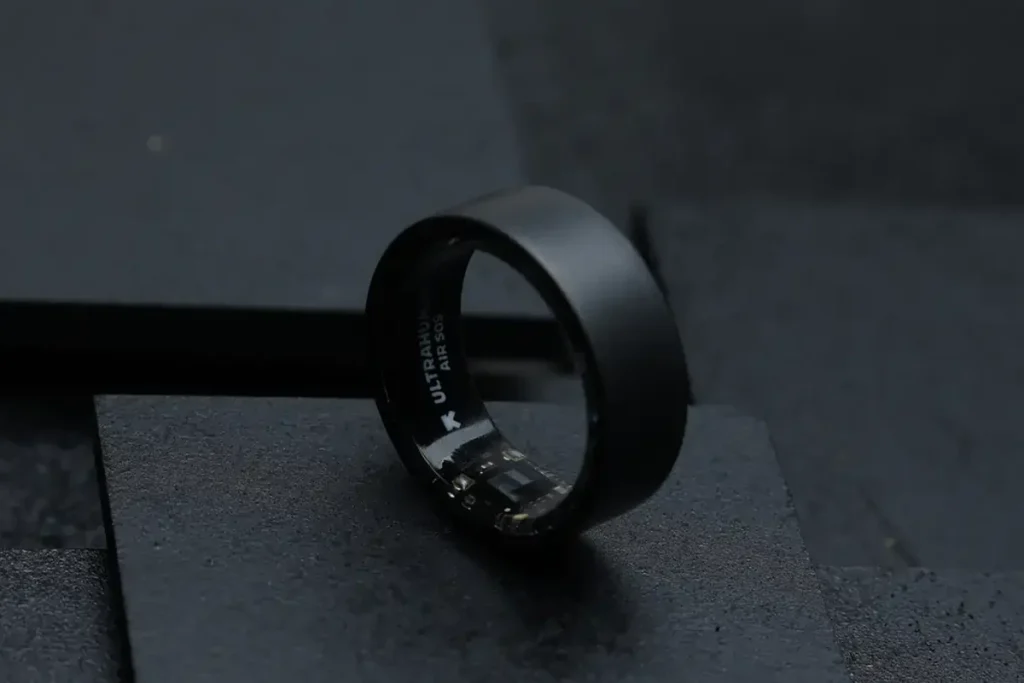
For the man who wants it to vanish on his finger
Price: £329 (no subscription)
Key specs: Ultra-lightweight · 6 days battery · Metabolic focus
Ultrahuman’s Ring AIR is the most comfortable smart ring available — noticeably lighter than either Oura or Samsung, and designed to be completely forgotten during wear. Launched to particular interest from the performance and biohacking community, it offers no-subscription health tracking with a strong focus on metabolic health.
The AIR syncs with continuous glucose monitors for those who use them, and the app’s “chronobiology” features — tracking how caffeine timing affects your sleep, for instance — offer a depth of insight that rewards engaged users. Design-wise it’s sleek but lacks the premium finish variations of Oura’s ceramic editions. Best for: Men who prioritise comfort and metabolic health data. A strong Oura alternative for those who baulk at the subscription.
What to know before you buy
Size does matter
Unlike a watch, a smart ring sits flush against your skin and the sensor accuracy depends entirely on a proper fit, so sizing up for an ego boost will be an expensive mistake. All major brands ship a free sizing kit before purchase. Use it. A ring that’s too loose will produce inaccurate readings; too tight and you’ll notice it during the night. Most men size up slightly for their dominant hand.
The subscription question
Oura charges a monthly fee to unlock the full depth of its analytics — without it, you get basic data but miss the insights that justify the purchase. Samsung and Ultrahuman charge nothing beyond the upfront cost. Over two years, Oura’s subscription adds approximately £144 to the total. Whether the quality of insight justifies that depends entirely on how seriously you engage with the data.
Battery life in practice
Most smart rings advertise five to eight days of battery. In real use, with continuous heart rate monitoring and daily syncing, expect four to six. Charging takes roughly 60–80 minutes via a small case or magnetic cradle. Build a charging routine while showering and you’ll rarely run it flat.
Durability
Titanium construction means these rings handle daily wear, gym sessions, and swimming without issue. All current leading models carry water resistance ratings suitable for swimming. The one thing to avoid: heavy weightlifting with the ring on, which can cause micro-scratches or — in rare cases — compression against the finger.
The men who get the most from a smart ring are the ones who actually read the data and use it to make decisions about training, sleep, and stress.
Are smart rings worth it in 2026?
Well, yes. For the right man. If you’re someone who values data-driven decision-making, wants to optimise sleep and recovery, and appreciate a classic timepiece over a smartwatch, a smart ring is the most elegant solution available.
The category has matured to the point where the data quality is genuinely useful — not just interesting. Readiness scores that guide your training load, temperature tracking that catches illness early, HRV trends that reflect your stress and recovery arc over weeks and months: these are insights with real-world value for a man who takes his performance seriously.
Obviously a smart ring doesn’t replace a watch, doesn’t take calls or messages, and requires a degree of engagement to justify the cost. But for the man who’s already wearing a Rolex or an AP on his wrist and wants the health data without compromising the aesthetic, a smart ring sits quietly alongside it — doing its job invisibly.
That, ultimately, is the point.